Pakistan capital stays on alert amid wait for next round of negotiations
Islamabad remains under traffic restrictions as uncertainty continues over possible US-Iran peace talks
- By Gurmehar --
- Friday, 24 Apr, 2026
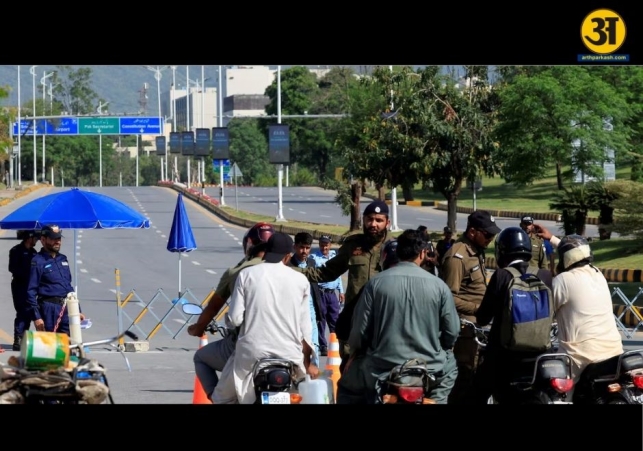
Islamabad, the capital of Pakistan, remained under heavy traffic restrictions on Friday as uncertainty continued over a possible new round of peace talks between the United States and Iran. Authorities have kept several major roads closed and security measures in place while waiting for confirmation on whether senior leaders from both countries will arrive for negotiations.
The restrictions have now continued for several days, creating inconvenience for residents, office workers, transport operators, and businesses in both Islamabad and nearby Rawalpindi. Officials say the measures were introduced because of expected high-level visits and possible diplomatic meetings, but no final schedule has been announced yet.
Pakistan has been trying to play the role of mediator after the first round of US-Iran talks earlier this month failed to achieve a breakthrough. Since then, hopes for another round of discussions have remained alive, but uncertainty over attendance and timing has slowed progress.
Roads closed and daily life disrupted
The administrations of Islamabad and Rawalpindi began closing roads and sensitive areas earlier this week after reports suggested that talks could begin at any time. Since then, major routes near important government zones and security areas have remained shut or heavily restricted.
More than 10,000 security personnel have reportedly been deployed to maintain law and order and manage movement in the city. Authorities are especially focused on areas near Nur Khan Airbase and routes linked to possible VVIP movement.
As a result, several neighbourhoods near the old airport area have faced major disruption. Residents of Shah Faisal Colony, Khalid Colony, Gulzar-e-Quaid, Fazal Town, and surrounding areas have reported difficulties moving in and out of their localities. Many people have remained mostly indoors because of road closures and strict checking.
Public transport has also been affected. Metro Bus services between Rawalpindi and Islamabad were suspended, while electric bus services on seven routes were also halted. Goods transport has remained blocked since April 19, affecting supply chains and creating trouble for traders and businesses.
Heavy vehicles such as trucks and buses were partly allowed in some areas of Rawalpindi, but Islamabad itself remained largely closed to such traffic.
The city’s Red Zone, where many government buildings and diplomatic offices are located, has continued to stay closed. Employees working in offices inside the zone were asked to work from home.
Although schools and colleges have not been officially shut, some universities have moved to online or virtual classes to reduce inconvenience for students and staff.
ALSO READ: Iranian tanker returns home after crude delivery as US-Iran tensions remain high
Talks still uncertain despite preparations
Even with strict security arrangements, there has still been no official confirmation on when the talks will begin or whether top leaders from the United States and Iran will attend. Pakistani officials, however, continue diplomatic efforts and remain hopeful that both sides can be brought to the table.
The first round of US-Iran talks was held on April 11 and 12 but did not produce any major progress. Since then, Pakistan has reportedly increased efforts to help restart dialogue and reduce tensions between the two countries.
Reports earlier this week suggested that the second round of talks could happen soon. On Wednesday, US President Donald Trump was quoted as saying that fresh talks might take place as early as Friday.
However, Iran has not fully confirmed participation. Iranian Foreign Ministry spokesman Esmaeil Baqaei said Tehran had not yet decided whether to attend another round of Pakistan-mediated talks in Islamabad. He stated that Iran would only participate if it believed doing so was in its national interest.
This lack of clarity has created uncertainty for both authorities and residents. Security preparations remain active, but the absence of a confirmed schedule means restrictions continue without a clear end date.
Earlier this week, President Trump also announced that a two-week ceasefire with Iran had been extended indefinitely. The decision was reportedly taken to give Tehran more time to prepare a unified proposal aimed at ending the conflict. The ceasefire had been close to expiry before the extension was announced.
The ongoing war involving Iran began on February 28 following US-Israeli strikes, increasing instability in the region and leading to urgent diplomatic efforts from multiple countries.
Pakistan now appears eager to host successful negotiations that could reduce tensions and improve regional stability.
Public frustration grows
While diplomatic efforts continue, ordinary citizens in Islamabad and Rawalpindi are facing the practical burden of extended restrictions. Commuters have struggled with route changes, business owners have seen lower customer movement, and transport operators have suffered losses due to halted services.
Many residents are asking for clearer communication from authorities about how long the closures will continue. Without a confirmed meeting date, frustration has grown as the city remains partially locked down.
At the same time, security officials are unwilling to relax measures too early in case talks are announced suddenly. This has created a difficult balance between diplomatic readiness and daily public convenience.
What happens next
For now, Islamabad remains on alert. Security forces continue to monitor roads, key buildings, and airport-linked routes. Government officials are expected to review the situation daily before deciding whether some areas can reopen.
If talks are confirmed, restrictions may continue or even increase temporarily. If negotiations are delayed further, pressure may grow to restore normal traffic and transport services.
Until then, Pakistan’s capital remains in a state of waiting, caught between diplomatic hopes and the daily realities of a city under restrictions.
Related News